How to Choose the Right Whole-House Renovation Contractor on Cape Cod
On Cape Cod, a whole-house renovation carries risks that mainland projects often skip — salt air accelerates material failure, Barnstable County Conservation Commission reviews add permit layers, and a short contractor availability window means the wrong hire can cost you an entire season. Before you sign anything, you need a clear framework for evaluating who is actually qualified to run a complex, multi-trade project on a Cape Cod home.
What Does 'Whole-House Renovation' Actually Mean?
A whole-house renovation covers the full structure — roof, siding, windows, foundation repairs, kitchens, bathrooms, electrical, plumbing, and sometimes additions — not just a single room or trade. It is different from a custom build, which starts from a cleared lot, and different from an addition-only project, which leaves the existing structure mostly untouched.
On the Cape, the most common scenarios include aging cape-style homes built in the 1950s–1980s that need full envelope and systems updates, post-storm gut rehabs, and seasonal cottages being converted to year-round residences. Each scenario brings a different scope, but all of them require a contractor who can coordinate multiple trades under one roof rather than passing work between unconnected subcontractors.
Why Does Cape Cod Require a Different Standard From Contractors?
Coastal conditions on Cape Cod actively degrade materials faster than inland environments, which means contractor experience with moisture barriers, corrosion-resistant fasteners, and proper flashing details is not optional — it is what separates a renovation that lasts from one that fails within five years.
Barnstable County permitting adds another layer most contractors from off-Cape are not prepared for. Projects near wetlands or the coastline require Conservation Commission review. Older neighborhoods may carry historic overlay restrictions. Setback rules vary by town and parcel type. A contractor who has not pulled permits in this county before will slow your project down significantly.
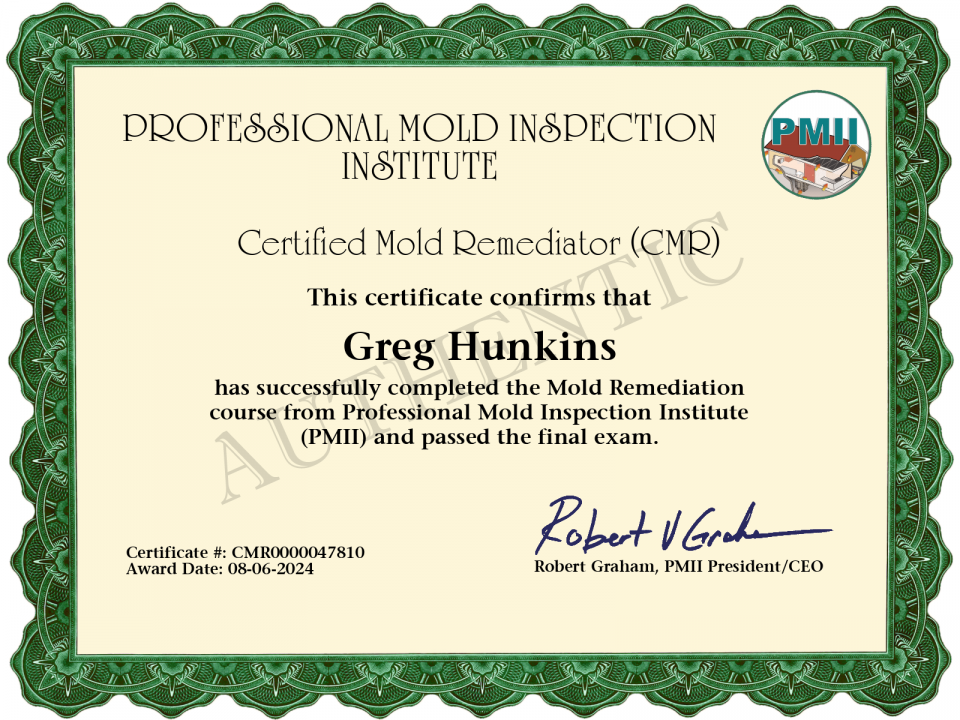
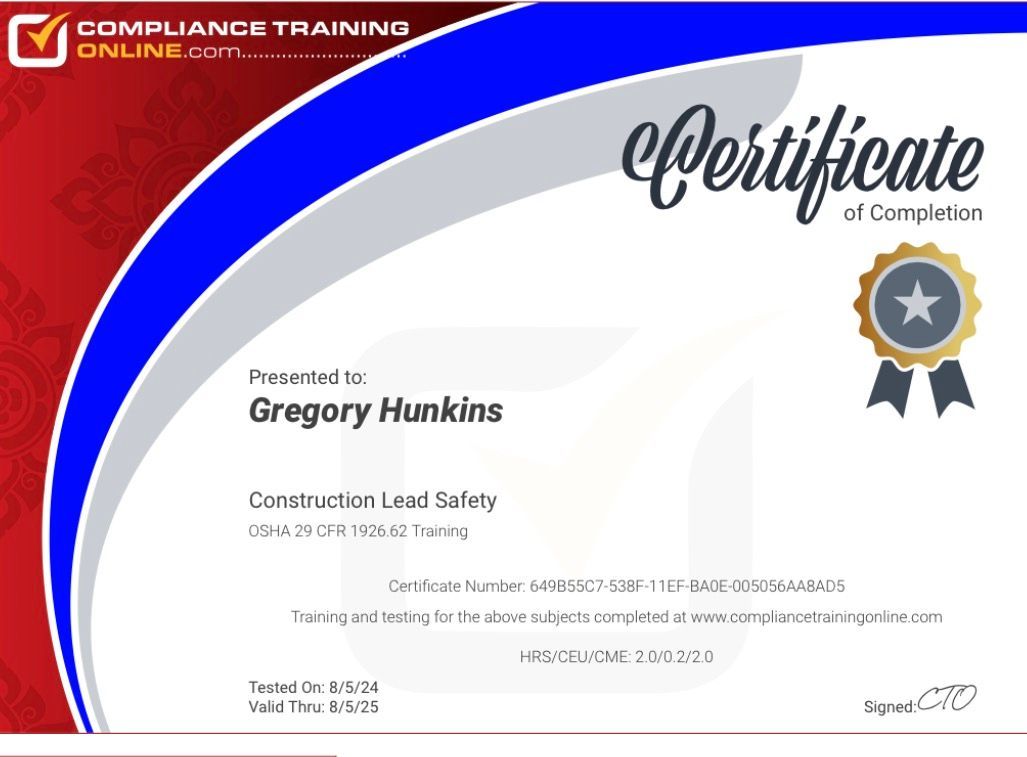
Older Cape homes also hide conditions that don't show up until walls open — knob-and-tube wiring, asbestos insulation, settling foundations, and moisture damage behind siding are common. A contractor without a process for handling unforeseen conditions will either stall your project or hit you with disorganized change orders that balloon costs.
One Contractor or Multiple Trades — Which Model Works Better?
Hiring a single contractor who manages the full scope — rather than coordinating separate roofers, framers, plumbers, and finish carpenters yourself — reduces the risk of scheduling gaps, finger-pointing when problems arise, and inconsistent quality between phases. For a whole-house project on the Cape, where trade availability is already limited seasonally, self-managing subs adds real risk.
A qualified whole-house contractor either self-performs key trades or maintains long-term relationships with a consistent subcontractor network. The difference between a contractor with established subs and one who calls whoever is available shows up in sequencing — work phases that depend on each other (like rough plumbing before tile, or roof completion before interior demo) stay on schedule when the contractor controls the relationships.
Learn more about what goes into roofing and siding replacement as a foundational phase before interior work begins — the envelope needs to be weather-tight before you invest in finishes inside.
Vetting a Cape Cod Contractor Before You Commit
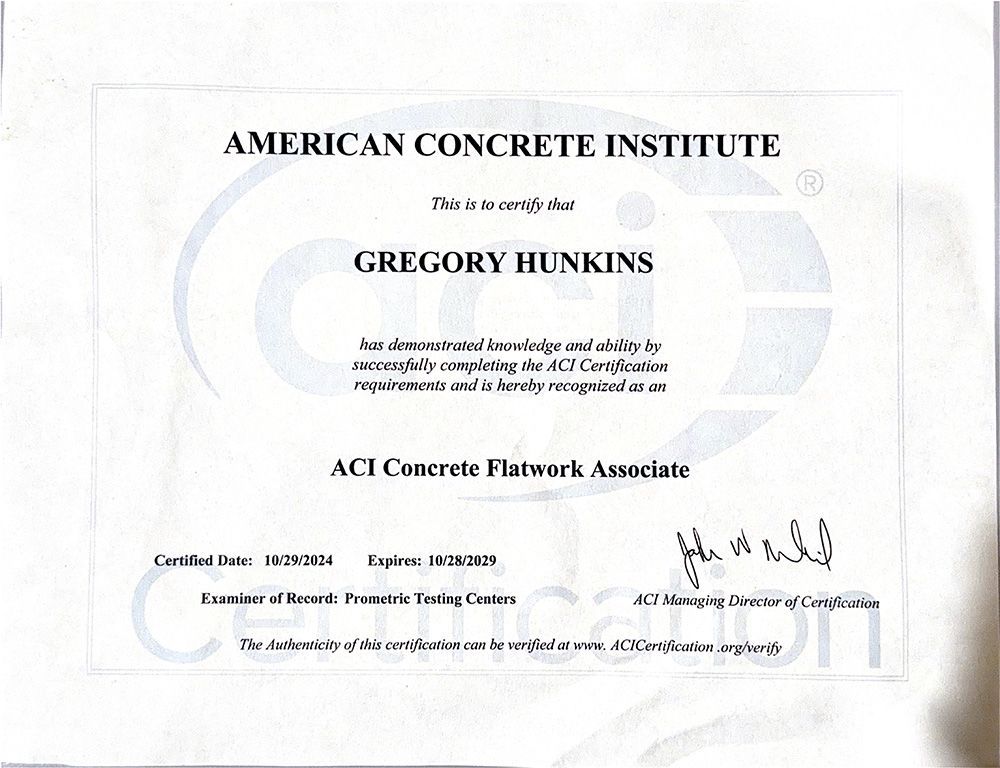
A thorough pre-hire check should cover license verification (Massachusetts requires both a Home Improvement Contractor registration and a Construction Supervisor License for structural work), proof of general liability insurance, and workers' compensation coverage — not just a certificate on request, but confirmation it is current.
Ask for a portfolio of whole-house projects specifically on the Cape, not single-trade work or new builds. Ask for references from homeowners whose projects match your scope in complexity. Find out whether the contractor pulls all permits themselves or asks you to handle it — a qualified contractor pulls permits and knows the local inspection process.
Also ask who your single point of contact will be once the contract is signed. If the person who sold you the project hands you off to someone you have never met, that is a structural problem in how the company operates, not just a communication preference.
Questions to Ask During Your Contractor Consultation
These questions give you concrete, comparable answers across multiple contractors — not just a gut feeling:
- How do you sequence a whole-house project from start to finish?
- Who handles permit applications, and have you worked with Barnstable County Conservation Commission before?
- What happens if hidden damage is found once walls are opened?
- How do you handle scope changes mid-project — written change orders or verbal agreements?
- Are your subcontractors long-term relationships or hired project by project?
- Who is my single point of contact after the contract is signed?
- Can you show me a project on Cape Cod with a similar scope to mine?
- What is your typical timeline for a full renovation of this size?
Red Flags That Signal the Wrong Fit
Walk away from any contractor who offers a verbal-only scope, requires a large upfront cash deposit before design and scope are finalized, or cannot name a project manager who will oversee your job day-to-day.
Also be cautious of contractors whose portfolios show only new construction or single-trade work — renovating an existing occupied or older home requires a different skill set than building from a clear lot. No experience with Barnstable County permitting is another concrete warning sign, not just a minor gap.
Seasonal Planning — Why Fall and Winter Are Often the Right Time to Start
On Cape Cod, contractor availability tightens sharply from spring through summer as demand peaks with the seasonal population. Starting your planning and permitting process in the fall means your permit applications move through the queue before the spring construction rush, and you can schedule interior-heavy phases — kitchen and bath remodels, structural work, electrical and plumbing rough-ins — during months when weather does not affect those trades.
An early start also positions your project so that exterior and envelope work, like roofing and siding replacement, is scheduled for spring when conditions are right — rather than racing to finish before fall storms. Homeowners who start planning in October are often breaking ground in March while competitors are still waiting on permits submitted in April.
Setting the Scope Before You Sign Anything
A qualified contractor will walk through a pre-construction assessment of your home before committing to a price — identifying existing conditions, sequencing priorities (envelope first, then systems, then finishes), and flagging likely hidden issues in older homes. This protects you from vague estimates that expand after the contract is signed.
Scope alignment and design decisions need to happen before budget commitments, not after. A contractor who skips the design phase and moves straight to pricing is often working from assumptions that will generate change orders later. Make sure interior and exterior design decisions are locked before you approve a final budget.
Choosing the right contractor for a whole-house renovation on Cape Cod comes down to local experience, a clear process for managing scope and permits, and the ability to coordinate all trades under a single point of accountability. When those three things are in place, the project has a realistic path to finishing on time and within a defined budget.
Explore what a full renovation project could look like for your home by connecting with High Tide Contracting — a contractor with the Cape Cod experience and full-scope capability to take your project from assessment through completion.